


Can We Slow the Aging of Blood Vessels?
NEOMED research scientist Priya Raman, Ph.D., is looking for answers
According to the Centers for Disease Control and Prevention and the World Health Organization, heart disease accounts for approximately one-third of all deaths each year in the U.S. and around the world. A NEOMED researcher is searching for ways to reduce that number.
“Diseases of the heart and blood vessels are a leading cause of illness and death, especially as people get older,” said Priya Raman, Ph.D., associate professor of biomedical sciences and co-director of the Basic and Translational Biomedicine Graduate Program at NEOMED. “Conditions like metabolic syndrome, which includes obesity, high blood sugar, high blood pressure and unhealthy cholesterol levels, affect millions of adults and greatly increase the risk of heart attacks and strokes.”
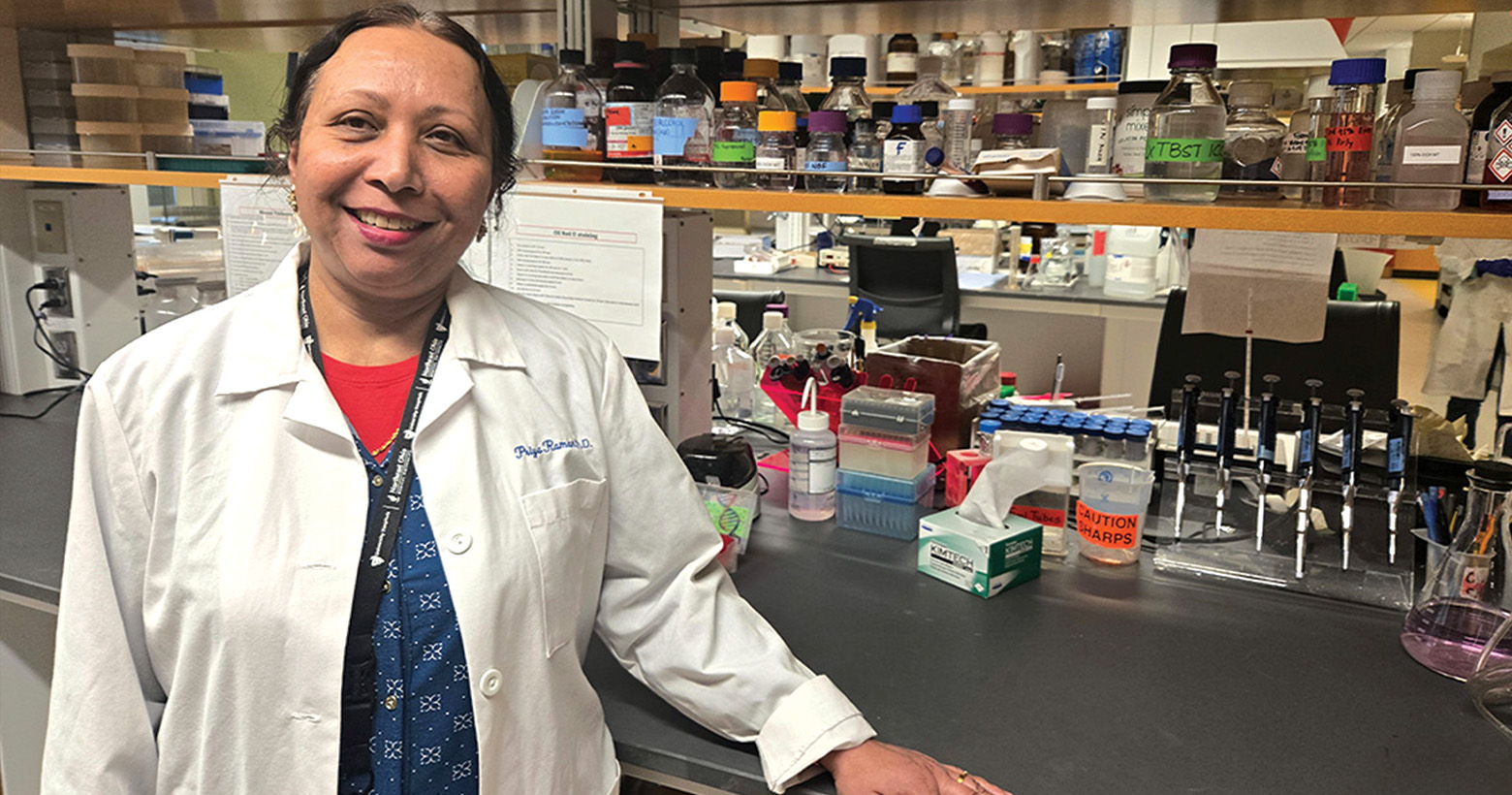
Priya Raman, Ph.D., in her lab.
Dr. Raman is investigating novel mechanisms and molecular targets of vascular aging in metabolic syndrome.“When blood vessels become stiff or stop working properly, they can quietly damage health for years before symptoms appear,” Dr. Raman noted. “Understanding why blood vessels lose their flexibility and function with age is essential for preventing these diseases.”
Her research, funded by the National Institute on Aging of the National Institutes of Health, seeks to uncover the early biological changes that weaken blood vessels.
“That opens the door to better prevention, earlier intervention and healthier aging for large segments of the population,” she said.
Dr. Raman is investigating novel mechanisms and molecular targets of vascular aging in metabolic syndrome.
Age-related Changes
Blood vessels experience structural and functional changes as we age. Metabolic dysfunction such as hyperglycemia, obesity and hyperlipidemia can accelerate those changes.
“While vascular aging can begin early in life, metabolic anomalies accelerate early vascular aging, amplifying the risk of cardiovascular morbidity and mortality in older adults,” said Dr. Raman.
Her research is trying to uncover the reasons why that happens.
“Although aging is known to impair the function of blood vessels in people with metabolic syndrome, the mechanisms responsible for this decline are not fully understood,” she explained.
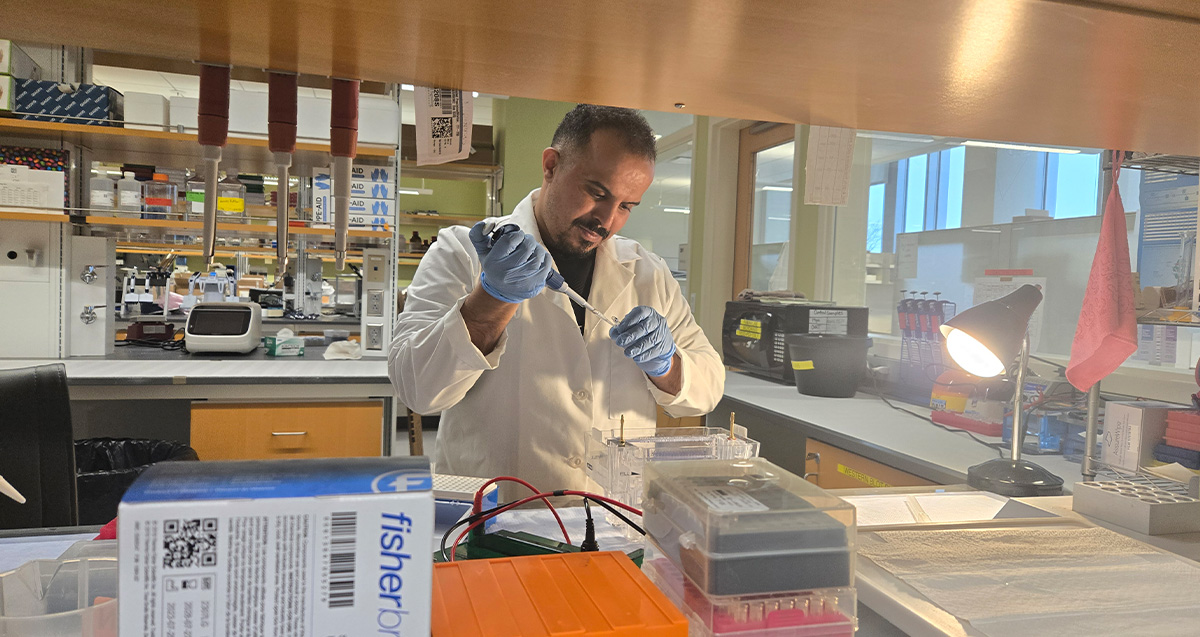
Fayez Almashhori, a graduate student in biomedical sciences at Kent State University, at work in the Raman Lab.
Too Much of a Good Thing
Central to Dr. Raman’s current research is the process of O-glycosylation.
“When there is extra glucose—or sugar—in the body, such as in diabetes or metabolic syndrome, cells use some of that sugar to add a tiny sugar tag to proteins. This process is called O‑glycosylation,” Dr. Raman explained. “These sugar tags act like molecular switches, changing how proteins behave and helping cells adapt and communicate, playing an important role in metabolic health. However, when the blood sugar levels remain elevated for a prolonged period, those protein changes can disrupt normal cell function and contribute to cell stress and diseases.”
Among the cells impacted by O-glycosylation are vascular smooth muscle cells, which are a major cell type found in the walls of blood vessels. These cells play a vital role in controlling blood flow by tightening and relaxing blood vessels, regulating blood pressure and helping blood vessels respond to stress.
“Under normal conditions, these cells act like tiny muscles that allow vessels to respond to the body’s changing needs,”
Dr. Raman said. “However, with aging or ongoing stress from conditions such as metabolic syndrome, these cells can change their behavior, a process known as ‘phenotypic switching.’ When this happens, they become less effective at controlling blood flow and may contribute to stiffer, less flexible blood vessels. Understanding how and why these changes occur is important for improving cardiovascular health and reducing the risk of heart disease as people age.”
In her previous research, Dr. Raman found that the loss of a key enzyme that regulates O-glycosylation had a protective effect against blockage of blood vessels.
“Building on our previous discoveries, the goal of this new R01 project is to understand whether O-glycosylation can cause the vascular smooth muscle cells to shift from a healthy to a diseased state, triggering harmful changes in blood vessel structure and function in individuals with metabolic syndrome as they age,” Dr. Raman said. “By studying this process, we aim to uncover the biological reasons why blood vessels become less healthy in those individuals over time.”
The current research uses a model in which the vascular smooth muscle cells are deficient in a key enzyme that mediates O-glycosylation. Cells are also color-coded through overexpression of a reporter gene so they can be tracked over time throughout the aging process.
“We will study whether removing this protein modification specifically in vascular smooth muscle cells can rescue healthy cell function and prevent vascular aging,” Dr. Raman explained.
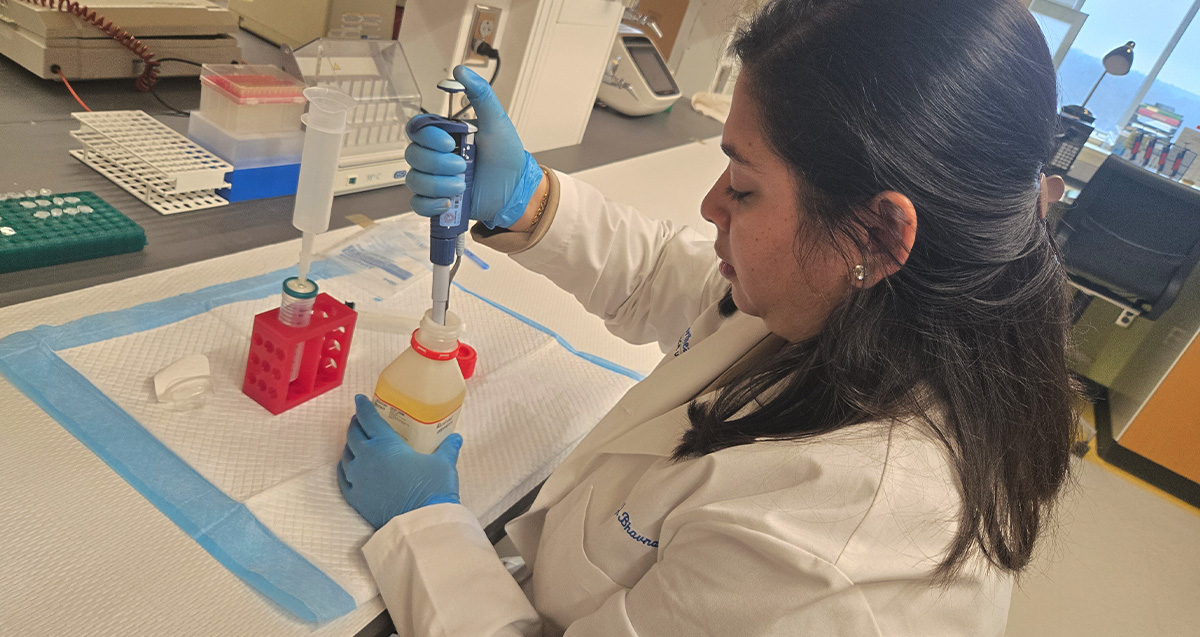
Neha Bhavnani, a graduate student in biomedical sciences at Kent State University, at work in the Raman Lab.
Translation of Findings
In addition to the basic science component, her research team will explore the translational relevance of findings using vascular tissue from diabetic and non-diabetic patients undergoing coronary artery bypass grafting at University Hospitals. Working with Mohammad El Diasty, M.D., a cardiac surgeon at UH, the Raman Lab will explore how impaired vessel function as we age is linked to changes in proteins, gene activity and O-glycosylation in the vessel walls of diabetic and non-diabetic patients.
“By improving our understanding of how vascular disease develops, these findings have the potential to inform future clinical practice, advance patient care, and support the discovery of new biomarkers and targeted strategies to prevent or slow vascular aging in metabolic syndrome,” Dr. Raman said.
She added, “We are thankful beyond words for this funding success and for the many seen and unseen supports that made it possible. I am very excited about the research opportunities this grant brings, and we approach this next phase with both enthusiasm and a strong sense of responsibility.”