New Leadership for NEOMED Free Clinic

Class of 1994 alumna Saira Ismail, M.D., was named medical director of newly restructured and renamed clinic

Saira Ismail, M.D., (’94), a family physician who practiced in Hudson, Ohio, was named medical director of the NEOMED Free Clinic in August 2024. Two Clinic team members — second-year medical students Shannon Lam and Rahul Kumar — sat down with Dr. Ismail to discuss her plans for the Clinic and share her passion for medical education with the NEOMED community.

Rahul: Can you tell us a little bit about yourself?   

Dr. Ismail: I was born and raised in Ohio, and I joined the six-year B.S./M.D. program right out of high school. I studied and worked hard. [Outside of medicine] I am married, the mother of three grown sons, and I really enjoyed living and having a private practice in the same town for 25 years. It was a great setup. I felt very much rooted in the community and was an integral part of that community. I’m excited to take the knowledge from my experiences and share it with all of you: the future generation of physicians who will take care of us. I’m really excited about using this position to not only foster community-based education but also a sense of service. I’ve always had a service project in my life, and that has become a larger priority over time.
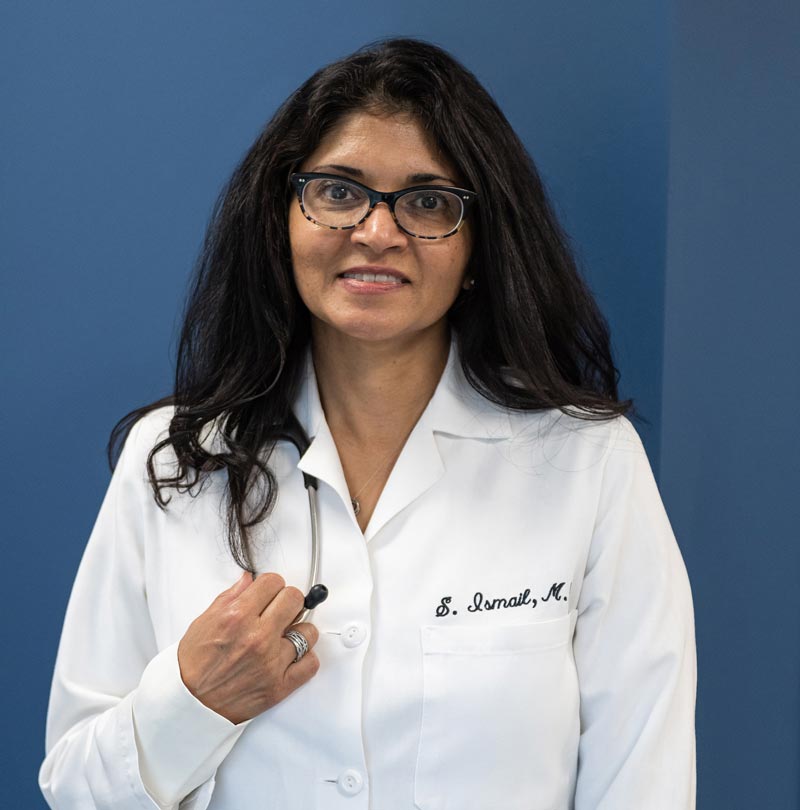
A doctor in a white coat against a blue background.

Saira Ismail, M.D.

Shannon: You mentioned you had a private practice in the same area here in Northeast Ohio for 25 years. What were some reoccurring issues that you tended to see, and what would you like to see change as we become practicing physicians?
Dr. Ismail: I had the privilege of working in an affluent, well-insured community. The challenges there were not some of the challenges you have here. People had food security, people had transportation, people — most of them — had insurance. But I can tell you, I really learned that disease processes cross socioeconomic status and all people deal with depression, anxiety, chronic diseases, and are interested in wellness. So, it was a very eye-opening experience to know, just because you have insurance or come from an affluent area doesn’t mean you still will not suffer and have conditions that need a caring, competent physician. Every person deserves that, wherever you come from and whatever zip code you live in.

Rahul: Absolutely. I noticed that you are also a clinical assistant professor of family and community medicine at NEOMED. I was wondering if you could talk about your involvement with NEOMED and what that role looks like for you.
Dr. Ismail: That [role] comes with the clinical experience of having medical students at the practice and volunteering. I was a volunteer here before accepting the medical directorship, so it was really about teaching clinical skills at the office site.

Shannon: What would you like to see the NEOMED Free Clinic accomplish in the upcoming years?    
Dr. Ismail: I’d like to leverage my experience with running a private practice and bring that knowledge to the Clinic. I want to focus on having a patient-centered perspective and adding that to the balance of the teaching environment here. For example, everything from looking at patient flow, bringing ambulatory office testing to the patients here on a more consistent basis, and offering services here in a way that mirrors a little bit more of what they would get in a private practice, because the tools and resources are here. NEOMED is very much committed to this Clinic and the students are bright, motivated and passionate. I hope to leverage all of that and deliver it to the patient care experience here.

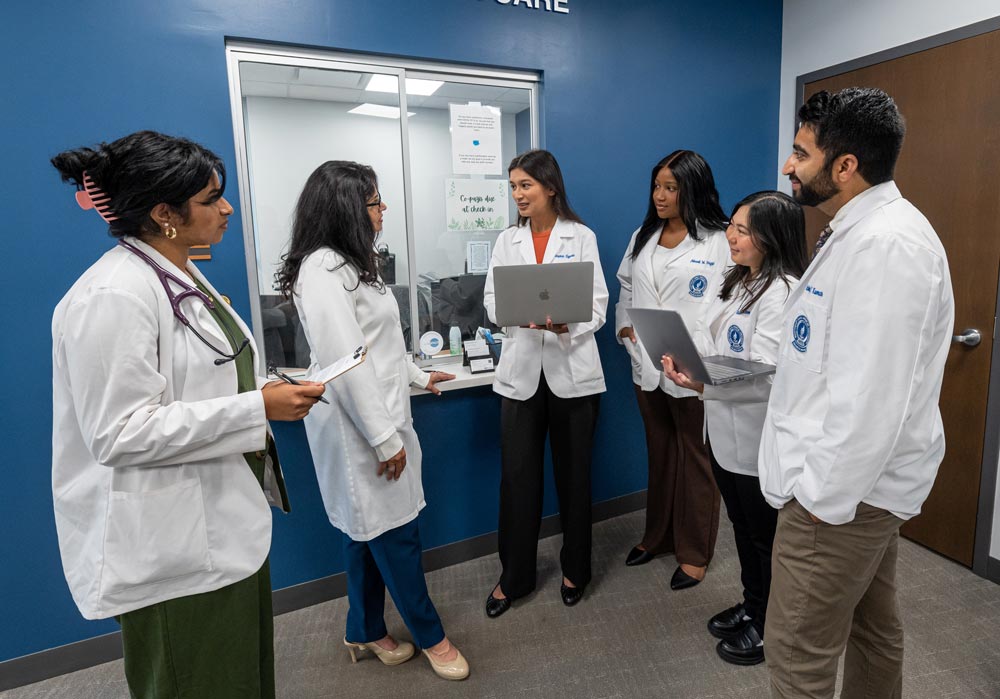
Dr. Ismael consults with five student doctors in the NEOMED Free Clinic.

Dr. Ismail meets with student volunteers for the NEOMED Free Clinic

Rahul: Helping with the NEOMED Free Clinic means that you’ll be working closely with many NEOMED students. Why is medical education important to you?   

Dr. Ismail: As a student, I remember some of the preceptors and mentors that I had and how they shaped not only how I practice medicine, but also my approach to patients, my work ethic and other aspects that really develop my professionalism. I think it’s an honor to be part of your medical education, to be part of the experience, to help you mature and develop into the medical professional you’re destined to become, and to nurture all of that.


My love really is the bedside, but I also see the excitement in helping students translate their knowledge into real-life applications. What also excites me is helping students learn how to interview patients, how to manage their time and how to develop an assessment and plan, because each patient is unique, meaning you really need to know their background. What are their resources? Can they come to their doctor’s appointments on time? Do they have food security? Where are they grocery shopping? Who’s doing the cooking? Because, if you don’t know that, you’re missing a big part of the picture of how to help the patient [manage chronic conditions]. You need to be able to see the patient in that context. I’m a family physician. I feel strongly that you need to be able to see your patient in the context of their environment and in their family to really deliver care that is tailored to who they are, and I’m excited to teach students how to master these skills.

Ignite Magazine

Marketing and Communications
marcom@neomed.edu

Inside Ignite

Ignite home page