


Research Activities and Projects
DFCM Faculty and Staff lead, coordinate, and engage in the following research activities and projects:
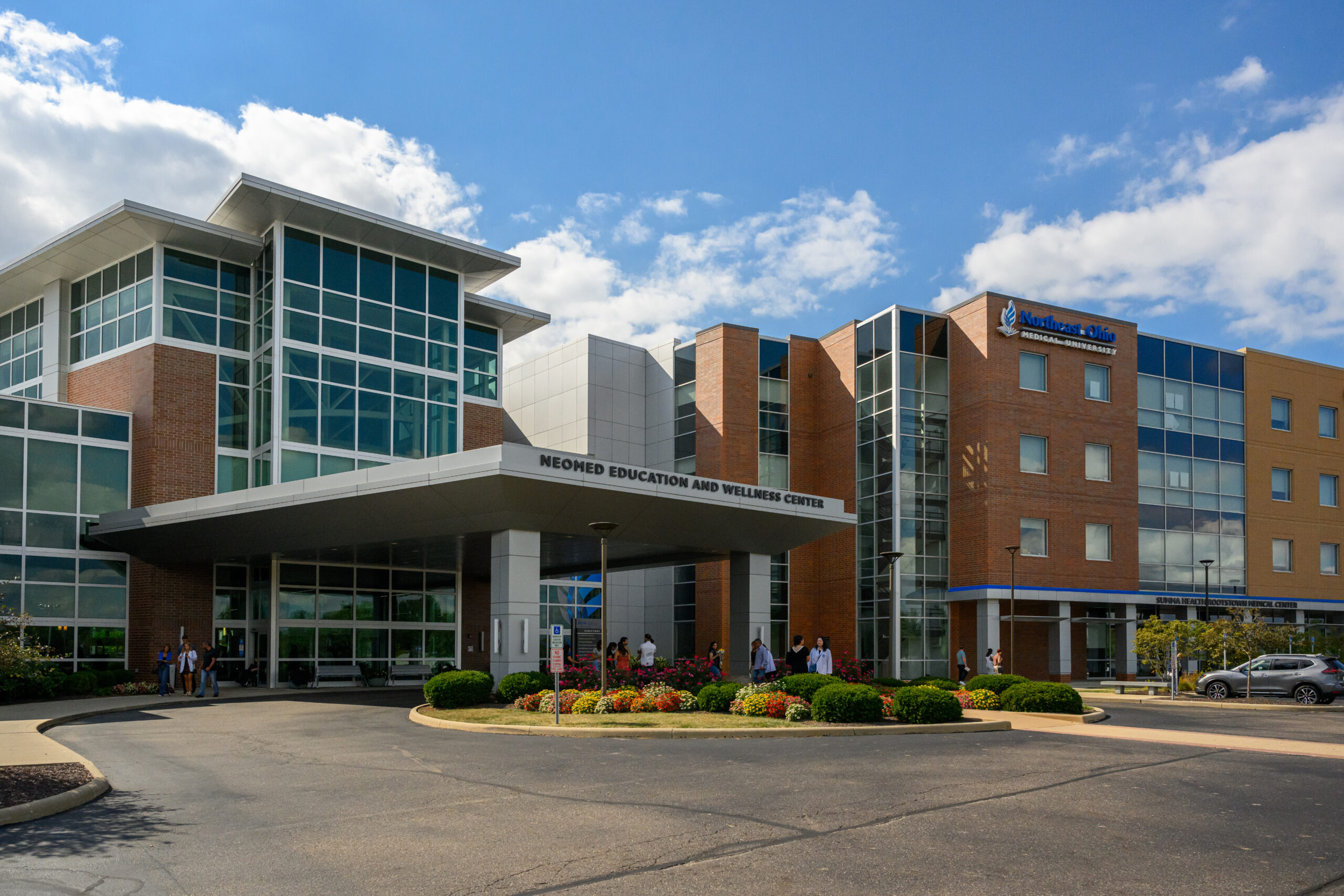
- Annual Resident Scholarship Day. Residents and faculty from Family and Community Medicine, Internal Medicine, Pediatrics, Pharmacy, Psychiatry, and Surgery partner residencies present their scholarly work during this day-long conference at NEOMED. Launched in 1989, the program allows residents in primary and specialty care to present their work in the form of case reports, research/translational research, quality and practice improvement, and program evaluation/curricular innovation. Participants learn innovative clinical and educational methods that increase their expertise and excellence in caring for patients. Beginning AY 2026-27, this program will expand to continue as a university-wide, university-sponsored event for residents and students directed by the NEOMED Office of Research and Sponsored Programs.
- Health Services Research Focus Area seeks innovative solutions for the delivery of healthcare services, translation of science and technology into practice, and integration of behavioral health and primary care through partnerships with hospital and community providers. Includes 14 researchers across the DFCM and the Department of Psychiatry. Grounded in behavioral and social theory, the Health Services Research Focus Area expands the conceptual base of health services research, using multiple methodological approaches in the following areas: Health Services Delivery; Social Determinants of Health; Translational Research/Implementation into Practice; Medical Education/Healthcare Workforce; Integrated Behavioral Health and Primary Care; and Population Health.
- The Medicaid-funded Northeast Ohio Quality Improvement Hub (NEO QI Hub), working with Ohio’s regional QI Hubs, is part of a statewide program that connects clinicians with an evidence-based quality improvement framework to improve health outcomes and reduce disparities. The Achieving HEAlth Equity in Diabetes (AHEAD) initiative uses data-driven quality improvement methods to support improved A1C control for people living with diabetes in Northeast Ohio. Additional information and resources are available at: The NEO QI Hub: Driving Health Outcomes Through Quality Improvement
- Education Research Focus Area (RFA) comprises a community of faculty and staff who engage in educational research and scholarship. It forms one of NEOMED’s 7 RFAs. Education RFA members organize themselves by the following interest areas:
- Student focused
- Student comprehension, learning and memory
- Student development and satisfaction
- Co-curricular student support
- Faculty focused
- Faculty/educator development, satisfaction and identity
- Structurally focused
- Educational process, content, context, delivery and philosophy
- Student-faculty relationship
- Teaching and pedagogical methods
- Humanities education
- Interprofessional education
- Experiential and clinical education
- NEOSTAR Fellowship: Student Training in Aging-related Research (NEOSTAR) summer fellowship program. Each summer between 1 and 3 students participate in a research experience along with a clinical shadowing experience related to geriatrics. Medical students, preferably rising M2s, who have shown sincere interest in geriatrics through their MSTAR application and/or engagement in the geriatrics interest group are eligible to apply. Pharmacy students with an interest in neurogenerative diseases and aging research are also eligible. Students are funded through designated fellowship funds of the Office of Geriatrics/Palliative Care. Stipends are congruent with other NEOMED fellowships, currently $375/week plus $100 for their poster. ($3000 for 8 weeks)
- Opioid Use Disorder Curriculum (SAMHSA) grant strategically integrates content across all four years of medical education. The grant also allows us to offer training to University of Mount Union physician assistant students, continuing professional education to practicing physicians, PAs and NPs who prescribe medication for substance use disorder. We also serve as a state leader in medication for opioid use disorder curriculum development in collaboration with all seven Ohio Medical schools.
- Primary Care Alumni Study project tracks all College of Medicine primary care-matched alumni, their specialization, and practice characteristics. This includes primary care practice in Health Professional Shortage Areas (HPSAs), Medically Underserved Areas (MUAs), and rural areas.