


Faculty & Staff
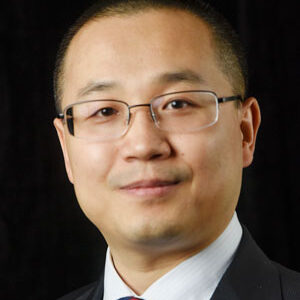
Jianguo Wu, M.D., Ph.D.
Assistant Professor of Biomedical Sciences
I completed postdoc training at Virginia Commonwealth University and the University of Connecticut, where I was promoted to Assistant Research Professor. In 2019, I joined the Cleveland Clinic as Project Staff in the Department of Inflammation and Immunity under the mentorship of Dr. Laura Nagy, a distinguished researcher in alcohol research. I was also appointed Assistant Professor in the Cleveland Clinic Lerner College of Medicine of Case Western Reserve University.
I have been investigating liver injury and its underlying mechanisms for over 10 years, focusing on cell metabolism, signaling pathways, and innate immunity in alcohol-associated and other chronic liver diseases. My research has been funded by the NIH and the Cleveland Digestive Diseases Research Core Center. With a broad background in liver pathophysiology and extensive experience in defining gene expression, function, and regulation, I have always been passionate about and dedicated to biomedical research and education.
My research employs integrated approaches that combine genetically engineered mice, multi-omics technologies, molecular and cellular biology, biochemistry, genomics, and bioinformatics (including high-performance computing and data mining with R).
Particularly, my research journey has equipped me with extensive expertise in utilizing a range of mouse models, including induction of liver fibrosis, small animal surgery, and modeling of alcohol-associated liver disease, metabolic dysfunction-associated steatotic liver disease, and cholestasis.’
My lab focuses on:
- Metabolic regulation of hepatic stellate cell activation
- Non-coding RNA regulation of hepatic metabolism
- Cell death and activation of hepatic innate immunity
Our long-term goal is to reveal how deregulated genes, pathways, and networks drive liver cell dysfunction and contribute to disease pathogenesis, and to identify novel molecular markers and targets for the diagnosis, treatment, and prognosis of liver disease.
- Ph.D., Cell Biology, Peking University, 2011
- M.D., Clinical Medicine, North China Coal Medical University (now North China University of Science and Technology), 2005
- Research Society on Alcohol, member
- American Association for the Study of Liver Diseases, member
- 2021 Alcohol and Immunology Research Interest Group (AIRIG) Travel Award
- 2018 Basic Science Young Investigator Travel Award, AASLD
- 2018 Poster-Competition Finalist Award, American Physiological Society
- 2017 Sino-American Pharmaceutical Professionals Association – Connecticut (SAPA-CT) UConn Symposium Poster Award
- 2017 Histochemical Society-Sponsored Trainee Travel Award, American Society for Investigative Pathology
- Wu J, Huang E, McMullen MR, Singh V, Mrdjen M, Bellar A, Wang L, Welch N, Dasarathy J, Dasarathy S, Streem D, Brown JM, Nagy LE. The pyruvate dehydrogenase kinase inhibitor dichloroacetate mitigates alcohol-induced hepatic inflammation and metabolic disturbances in mice. Hepatol Commun. 2024 Nov 29;8(12):e0547.
- Wu J, Kim A, Wu X, Ray S, Allende DS, Welch N, Bellar A, Dasarathy J, Dasarathy S, Nagy LE. 5S rRNA pseudogene transcripts are associated with interferon production and inflammatory responses in alcohol-associated hepatitis. Hepatology. 2023 Jun 1;77(6):1983-1997.
- Song Y, Tran M, Wang L, Shin DJ, Wu J. MiR-200c-3p targets SESN1 and represses the IL-6/AKT loop to prevent cholangiocyte activation and cholestatic liver fibrosis. Lab Invest. 2022 May;102(5):485-493.
- Zhao Y, Tran M, Wang L, Shin DJ, Wu J. PDK4-Deficiency Reprograms Intrahepatic Glucose and Lipid Metabolism to Facilitate Liver Regeneration in Mice. Hepatology Commun 2020; 4:504-517.
- Zhang L, Yang Z, Huang W, Wu J. H19 potentiates let-7 family expression through reducing PTBP1 binding to their precursors in cholestasis. Cell Death Dis. 2019 Feb 18;10(3):168.
More: