Graduate Certificate in Global Health and Innovation
For independent, critical thinkers who want to strengthen health systems — locally or internationally
Global Health & Innovation Certificate Program
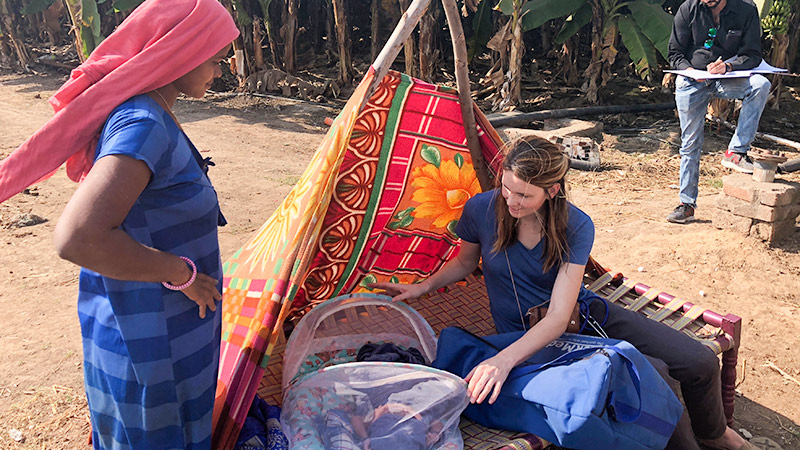
The Global Health & Innovation Certificate Program prepares students to lead work in global and underserved health settings. It is designed for independent, critical thinkers who want to strengthen health systems—locally or internationally.
This certificate program is ideally designed as a co-curricular or extracurricular activity for learners who want to broaden their experience in global and underserved health. With flexible scheduling and direct guidance from the certificate director, students receive close mentorship through both didactic and hands-on modules, building critical skills that distinguish them from their peers.
This certificate program is also ideally suited for students who want to get involved in research and program development activities in low-resource environments.
Students develop the skills needed to address complex health challenges in resource-limited environments. The program emphasizes practical problem-solving and innovative approaches shaped by real-world constraints.
The program is designed to:
- enhance undergraduate, graduate and postgraduate education,
- provide a global perspective on healthcare, and
- create opportunities for low-cost, high-impact innovation.
Through the program, students build knowledge of resource-constrained health systems, frugal innovation and the cultural, social and environmental factors that influence healthcare delivery. While this perspective is essential for work abroad, it is equally relevant in the U.S., particularly when caring for vulnerable and marginalized populations such as refugees. The goal is to help students become well-rounded professionals prepared for a range of settings.
Flexible learning
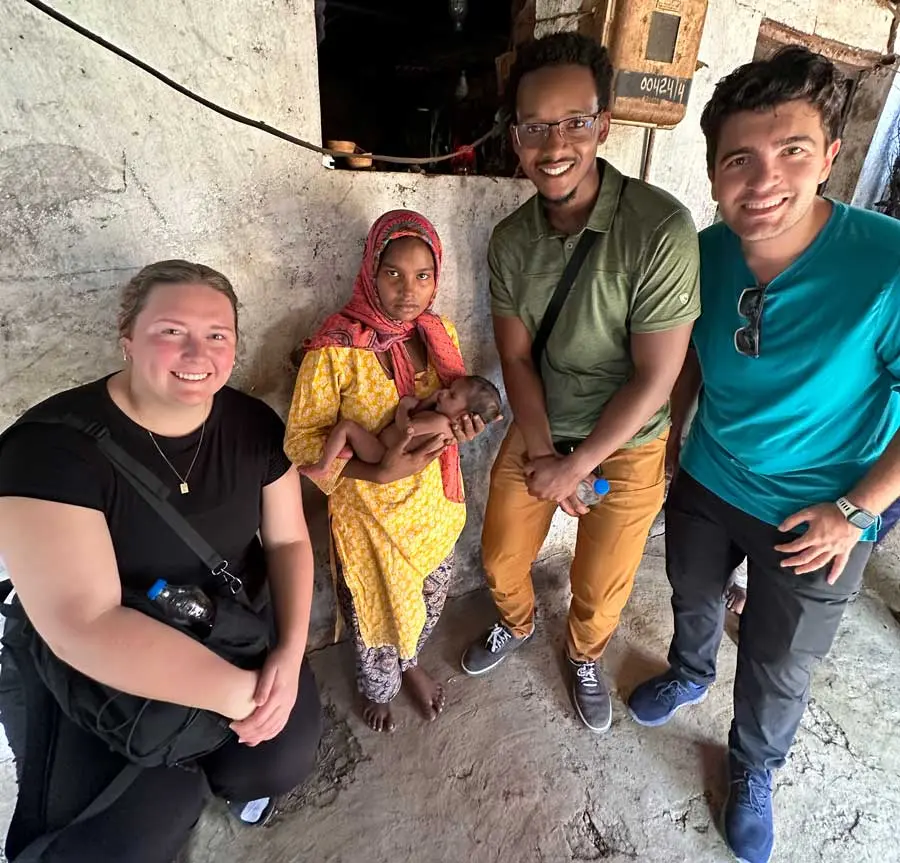
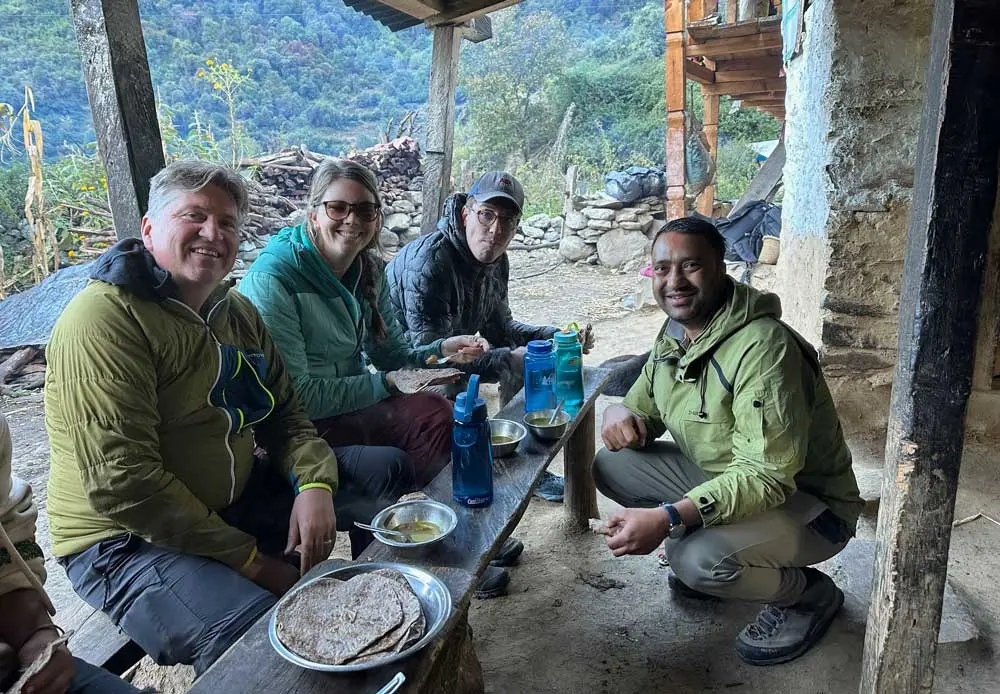
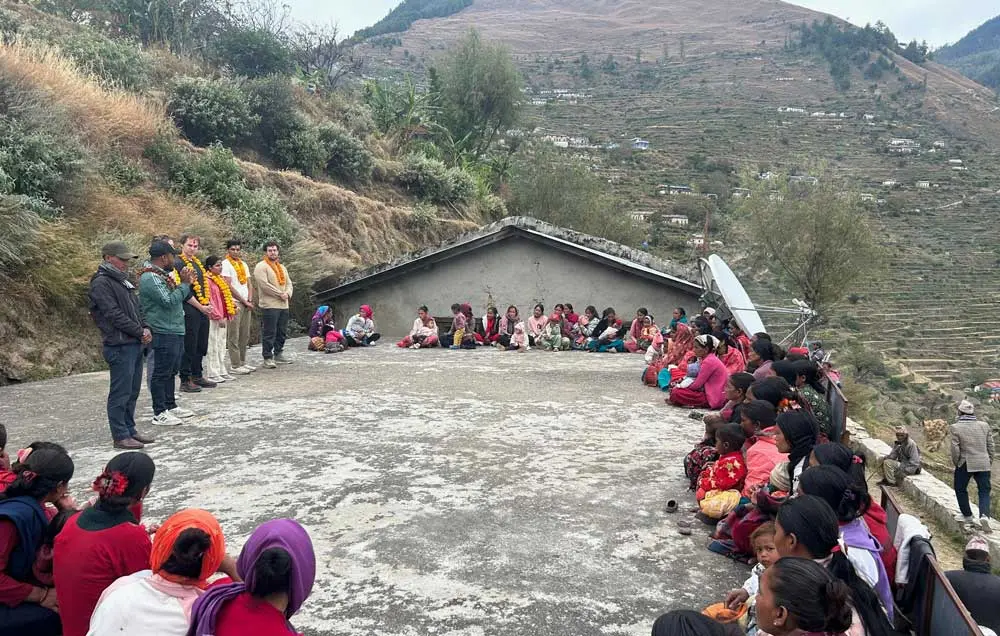
The certificate offers a flexible learning plan that blends online coursework, workshops and immersive experiences in resource-limited settings. During these immersions, students observe and engage in care shaped by poverty, limited infrastructure, and broader economic, social and cultural barriers.
For the capstone, students typically work in teams to explore innovation opportunities that support health, social and economic change in low-resource settings. Students may collaborate with peers from partner universities abroad to complete coursework and carry out project ideation, design, implementation and evaluation.
Application Deadline
June 6
Essential prerequisite courses
No prerequisites are required.
Entry Term
Fall semester
Delivery
Hybrid
Program length
Graduate Certificate: 9 months
Credit hours
Graduate Certificate: 10 credits
See next
Program curriculum
See the courses that comprise the 10 credit hours required to earn the certificate.
Admissions and cost
We define the requirements for application, program cost and the FAFSA deadline.
Apply now
You can apply today using the GradCAS application.
Questions?
We are happy to help. Write to COGSAdmissions@neomed.edu.
Contact
College of Graduate Studies Admissions
- Request more information about this degree
- Have a question? COGSAdmissions@neomed.edu
The Graduate School at NEOMED
College of Graduate Studies degrees
College of Graduate Studies home

© 2024 Northeast Ohio Medical University
4209 St. Rt. 44, PO Box 95, Rootstown, Ohio 44272
Report an accessibility issue | Consumer information | Title IX | Privacy statement | Do business with NEOMED